INVESTMENT
The Lone Star Leap Into Domestic Battery Power
EnergyX and Wildcat Discovery Technologies launch a $230 million joint venture to build a major LFP cathode plant in Hooks, Texas
29 Jun 2026
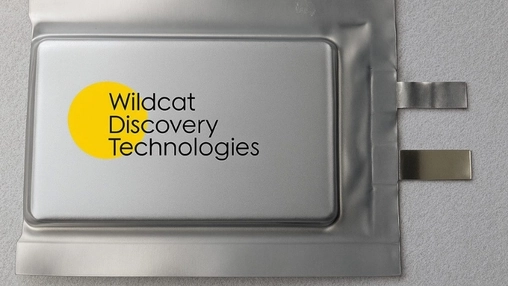
Two energy materials companies are launching a joint venture to build a major battery manufacturing facility in Texas, aiming to shore up the American supply chain for critical energy technologies. EnergyX and Wildcat Discovery Technologies announced the partnership on June 4, 2026, to construct a lithium iron phosphate cathode active material plant in Hooks, Texas. Valued at more than $230 million, the project is designed to produce 15,000 tons of the material per year. The facility will sit directly adjacent to EnergyX's existing Project Lonestar lithium plant, according to company statements.
Sited strategically next to the lithium operation, the facility is designed to serve energy storage systems, electric vehicles, and defense applications. By centering production domestically, the venture intends to reduce American reliance on foreign-sourced cathode materials. Industry analysts note that addressing this specific supply gap has long been a priority for domestic supply chain security. The dual focus on commercial scale and national resilience is expected to draw interest from both industrial and government stakeholders.
Holyvolt Group, which acquired Wildcat in February 2026, is backing the project as part of a broader regional strategy. Mathias Ingvarsson, founder of Holyvolt Group, called the project an important stepping stone toward accelerating the transition to sustainable, resilient, and profitable energy systems. The corporate commitment signals a long-term effort to position the parent company at the center of the North American battery supply chain, moving away from isolated, standalone investments.
For U.S. manufacturers, a domestic supply of these components offers distinct practical advantages. Automakers and grid-storage developers sourcing locally could see compressed lead times and reduced procurement risks. Still, defense contractors stand to gain the most immediate relief, having long been constrained by foreign material dependencies for critical battery chemistries. A certified domestic alternative could fundamentally alter their procurement pipelines.
The high-stakes project underscores a growing momentum toward domestic industrial self-sufficiency. With construction anchored in Texas and significant capital deployed, the joint venture represents a tangible shift in the global competitiveness of the U.S. battery sector. The outcomes of this expansion are likely to influence domestic manufacturing capabilities and federal clean energy supply chains in the years ahead.
Related News


topics on the agenda
NAVIGATING LITHIUM PRICE CURVES AND RECYCLED MATERIALS IN THE LFP SUPPLY CHAIN
Day 1: MONDAY, JULY 27, 2026
09:40 - 10:05
PANEL DISCUSSION ON THE HORIZON OF LFP BATTERIES FOR THE NORTH AMERICAN EV MARKET
Day 1: MONDAY, JULY 27, 2026
11:00 - 11:30
OUTLOOK FOR LFP CHEMISTRY — AUTOMOTIVE, STATIONARY STORAGE APPLICATIONS, AND BEYOND
Day 1: MONDAY, JULY 27, 2026
11:30 - 11:55
SUBSCRIBE FOR UPDATES
By submitting, you agree to receive email communications from the event organizers, including upcoming promotions and discounted tickets, news, and access to related events.