MARKET TRENDS
Data Center Boom Sends LFP Battery Prices Up
AI-driven power demand and raw material shortages are driving LFP battery prices higher, squeezing energy storage projects across industries.
25 Jun 2026
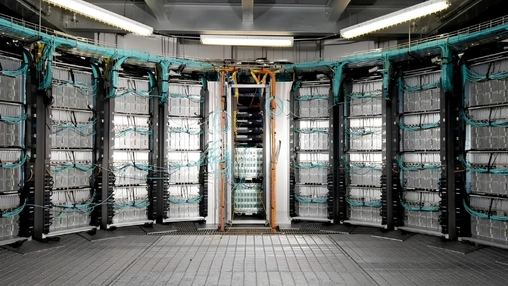
Demand from large AI data centers is reshaping the global market for lithium iron phosphate, or LFP, batteries in 2026, as expanding computing infrastructure collides with supply chain constraints. Analysts said OpenAI's Stargate supercomputing project, initially designed for 1.2 gigawatts with plans to expand to 10 gigawatts, is competing directly with grid scale energy storage developers for battery capacity, tightening supplies across multiple industries.
Pressure has intensified because disruptions in the Middle East have restricted exports of sulfur and sulfuric acid, two materials essential to lithium extraction. Refinery permitting delays have further slowed the flow of raw materials before battery cells reach production, adding another layer of strain. According to industry analysis from WattCycle, higher costs now extend across raw materials, battery cells, and logistics, reflecting broader market disruption rather than a routine pricing cycle.
Manufacturers including CATL and BYD are navigating a difficult balance between rising production costs and competitive pricing. Market observers said many producers are absorbing part of the increase instead of passing it entirely to customers, squeezing already narrow margins. Yet commercial and industrial buyers seeking battery storage systems face a shrinking opportunity to secure lower prices before additional cost increases filter through the market.
The effects extend well beyond energy storage. Grid developers, electric vehicle fleet operators, and providers of backup power all depend on affordable LFP batteries, meaning sustained price increases could slow clean energy projects while raising operating costs across several sectors. The market has also highlighted how demand from a single category of infrastructure can ripple through interconnected supply chains.
Near term relief appears limited. As permitting backlogs ease and manufacturers assess new capacity investments, supply and demand may gradually move toward balance. Until then, companies that secured procurement agreements earlier in the year remain better positioned than those relying on spot purchases, while businesses exposed to current market prices are likely to face continued pressure through the remainder of 2026.
Related News


topics on the agenda
NAVIGATING LITHIUM PRICE CURVES AND RECYCLED MATERIALS IN THE LFP SUPPLY CHAIN
Day 1: MONDAY, JULY 27, 2026
09:40 - 10:05
PANEL DISCUSSION ON THE HORIZON OF LFP BATTERIES FOR THE NORTH AMERICAN EV MARKET
Day 1: MONDAY, JULY 27, 2026
11:00 - 11:30
OUTLOOK FOR LFP CHEMISTRY — AUTOMOTIVE, STATIONARY STORAGE APPLICATIONS, AND BEYOND
Day 1: MONDAY, JULY 27, 2026
11:30 - 11:55
SUBSCRIBE FOR UPDATES
By submitting, you agree to receive email communications from the event organizers, including upcoming promotions and discounted tickets, news, and access to related events.